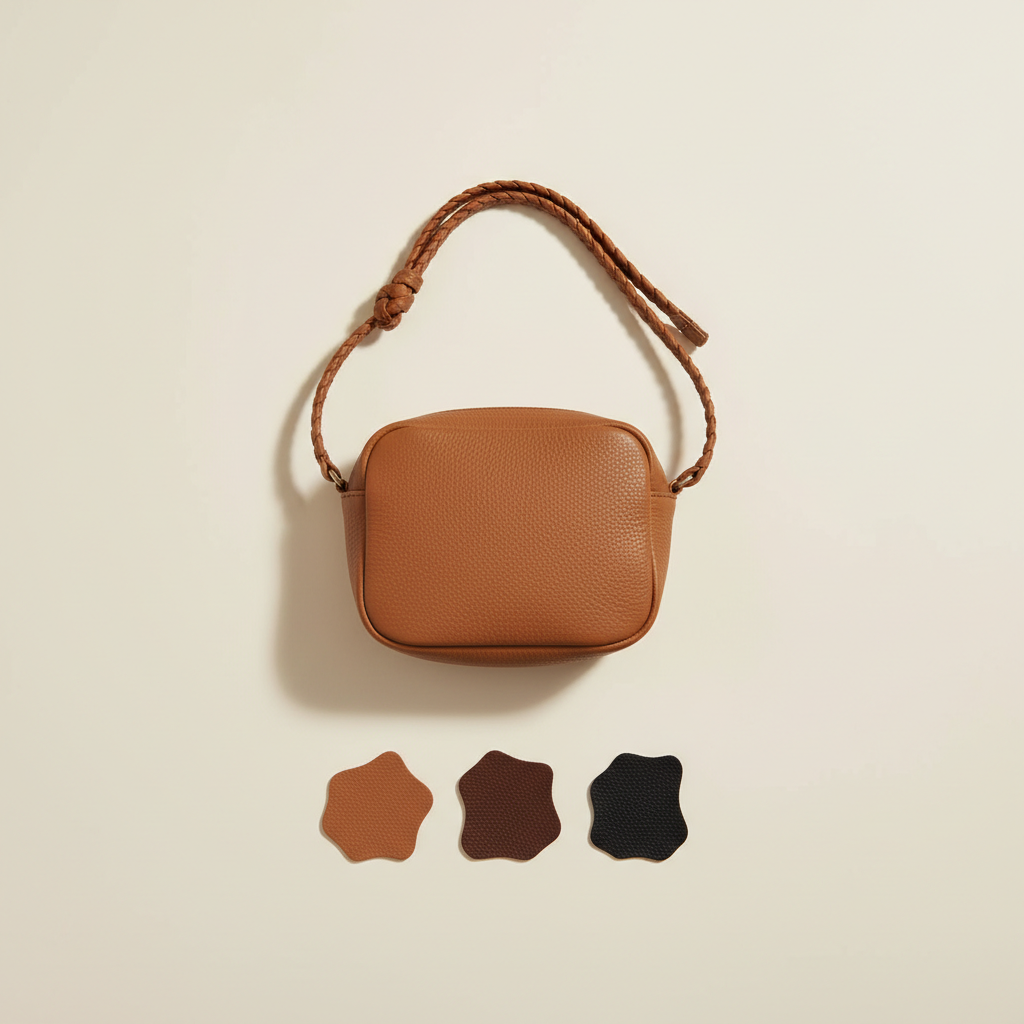
Hide Selection
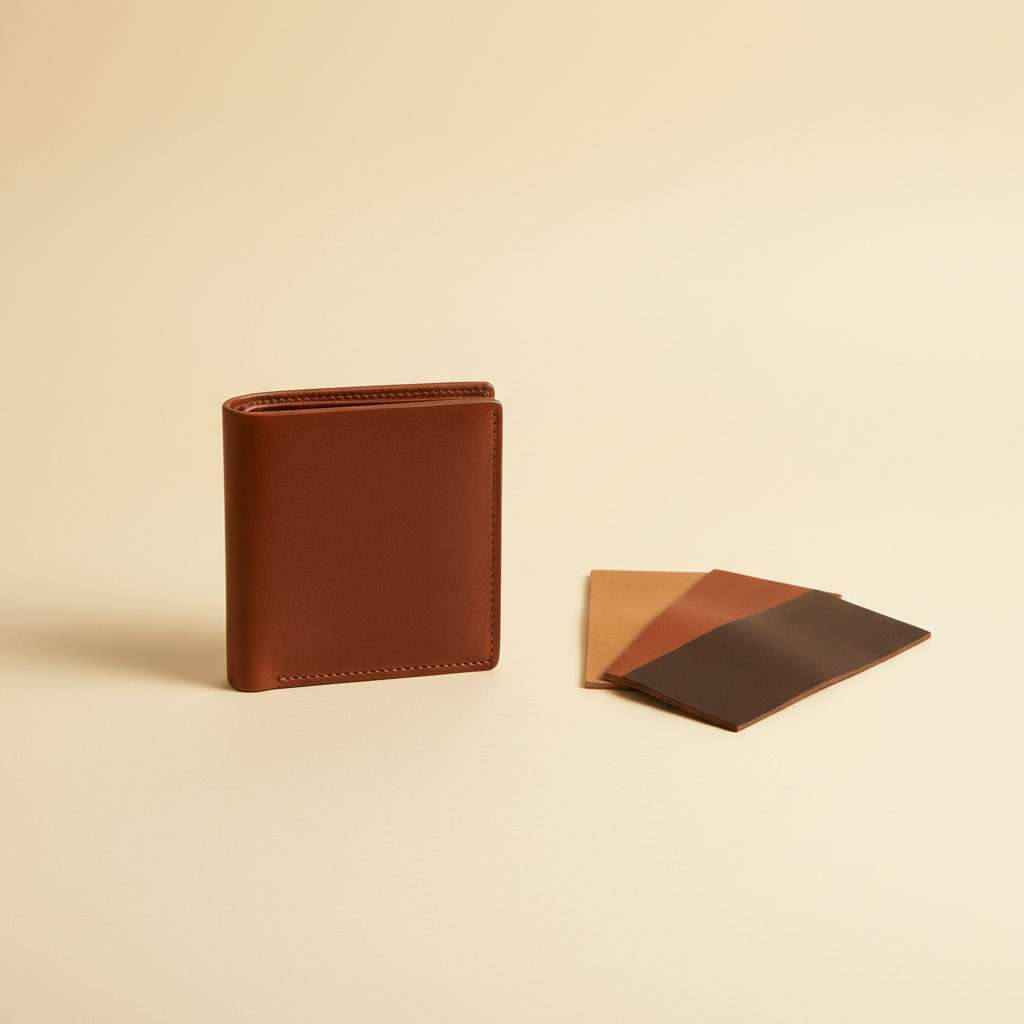
Each hide is inspected by hand for grain, temper, and natural markings before a single piece is cut.
Hearth & Hide began in a one-room workshop with a single question: why should a leather bag feel like everyone else's? The founder spent years repairing mass-produced goods that fell apart within a season, and set out to build something different — pieces cut, stitched, and finished by hand, carrying the initials of the person who would carry them.
We kept the operation small on purpose. Every bag and wallet still passes through the same few pairs of hands that cut the first hide, which means slower output, closer attention, and goods made to outlast trends rather than chase them.
First wallets cut and stitched at a kitchen table, sold one at a time to neighbors.
Moved into a proper workshop and introduced the monogramming bench.
Began shipping personalised bags and wallets to customers worldwide.
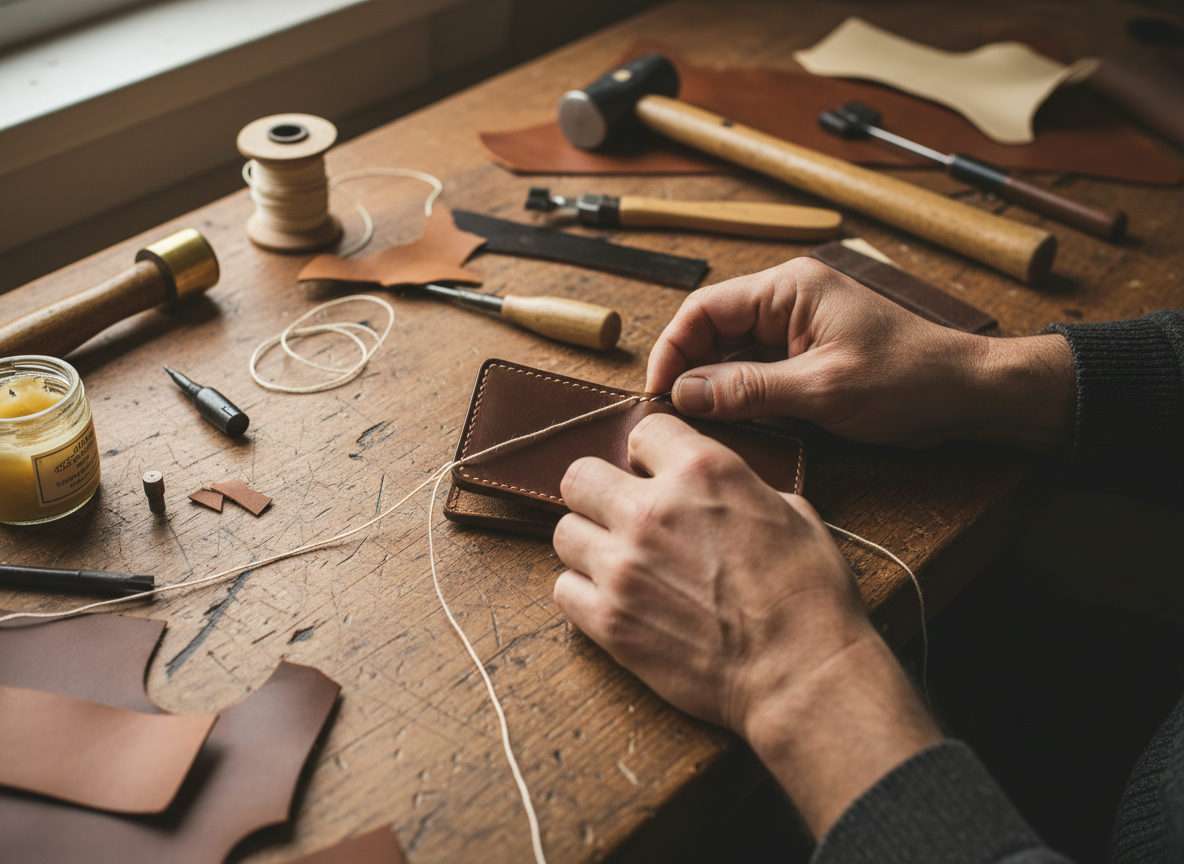
Every bag and wallet moves through the same four stages in our workshop — no shortcuts, no outsourcing. It's slower this way. We think it's worth it.
Each hide is inspected by hand for grain, temper, and natural markings before a single piece is cut.
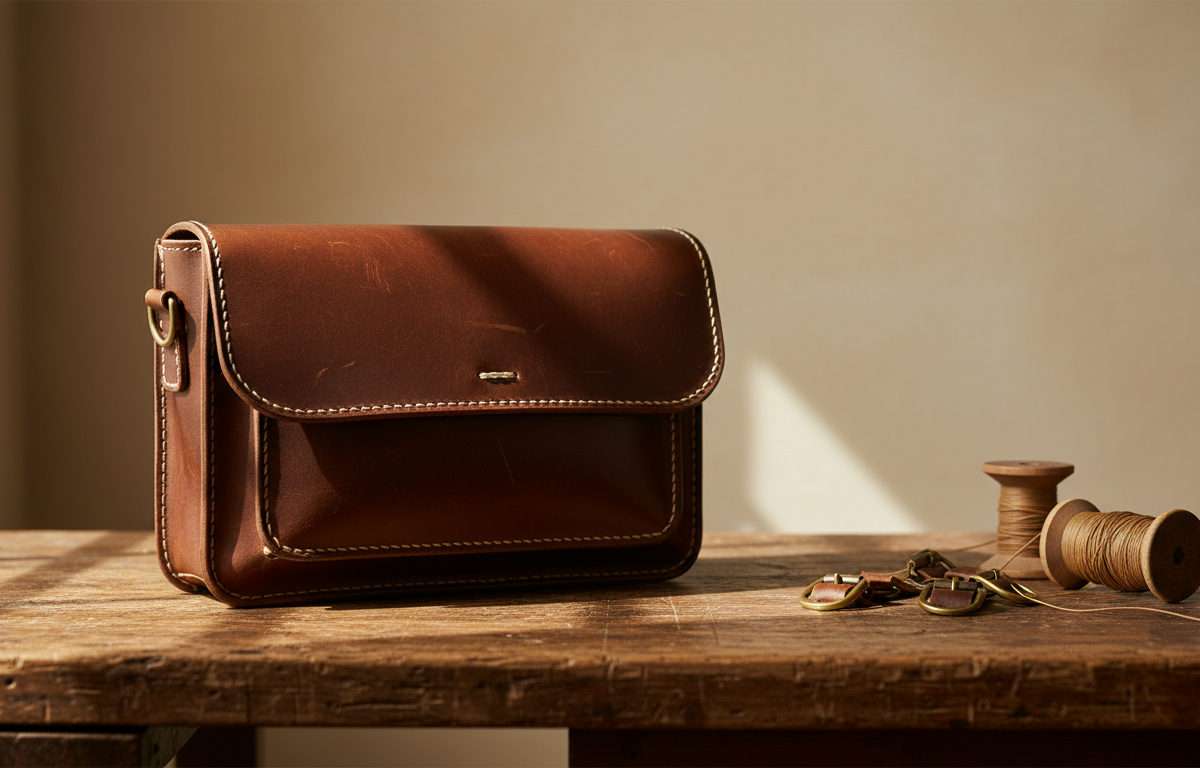
Templates refined over years guide every cut, so panels align true and waste stays low.
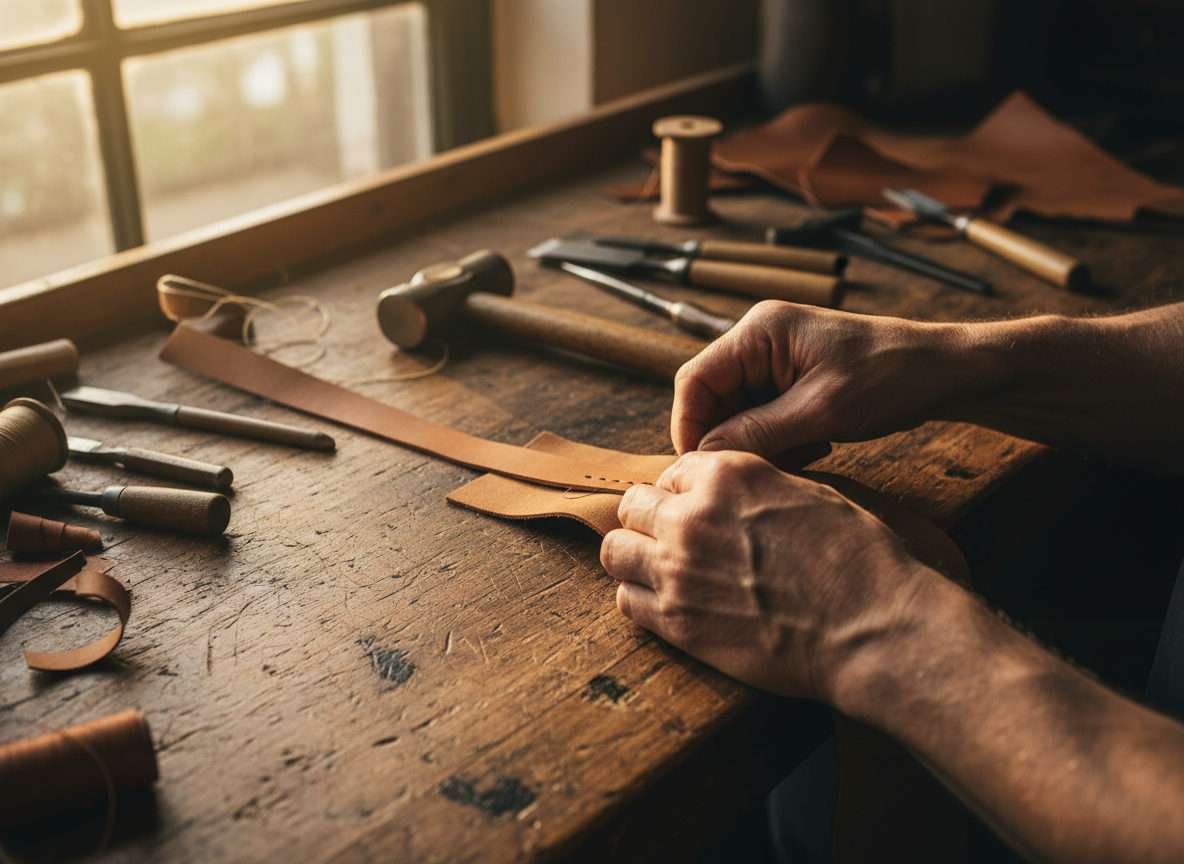
Saddle-stitched by hand with waxed thread — a slower seam, but one that won't unravel.
Initials are foil-stamped or debossed to order in your chosen font and finish, piece by piece.
Workshop photography above is placeholder imagery, to be replaced with original photography once commissioned.
Every hide we buy is selected for the same quality a saddler would demand — tight grain, even thickness, no surface flaws to hide. We pay more for leather that will crease gracefully rather than crack, and we finish it by hand so the character of the material, not a factory coating, is what you feel for years to come. It costs more to make a bag this way. It also means you likely won't need another one.
Full-grain hide · vegetable tanning · solid brass
We use only the uppermost, unsanded layer of the hide — the part with the natural grain intact. It resists wear rather than peeling or flaking, and develops a deep patina with use instead of simply aging out.
Tanned slowly with tree bark and natural extracts rather than chrome salts, this finish is kinder to the hide's fibres, richer in colour, and built to soften and deepen with handling rather than wear thin.
No plating to wear off. Buckles, rivets and zip pulls are cast in solid brass, so scuffs reveal more of the same metal underneath rather than a dull base coat.
Every edge is burnished and waxed by hand after saddle-stitching, sealing the raw leather against moisture and fraying so the seams age as cleanly as the face of the piece.